Whether from a hydroelectric dam, a nuclear station, or a wind turbine, generated electricity must be transported to where it’s needed.
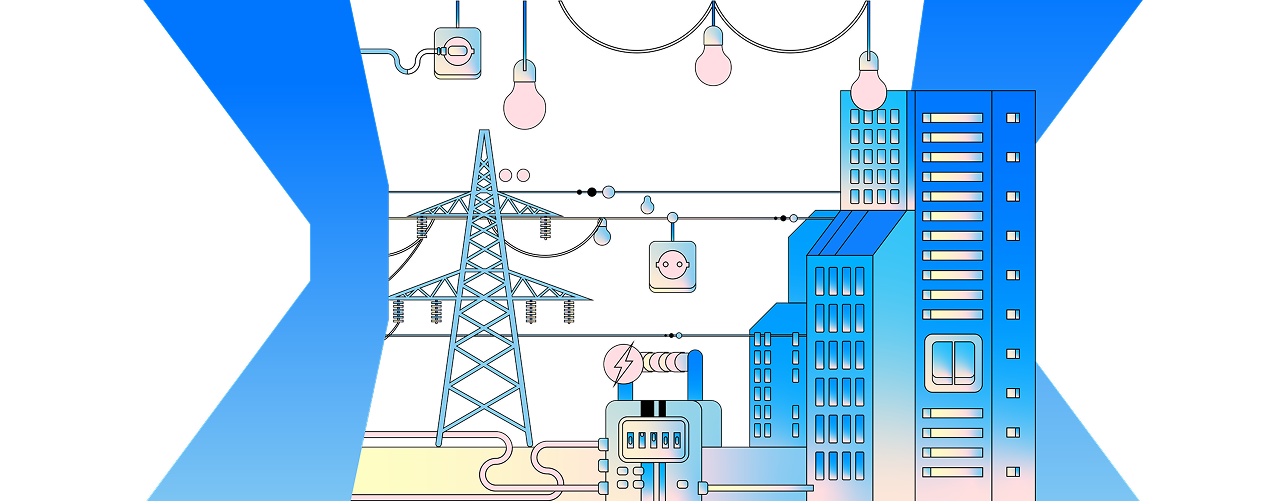
Whether from a hydroelectric dam, a nuclear station, or a wind turbine, generated electricity must be transported to where it’s needed.
Ontario is the second largest province by land size in one of the world’s largest nations.
Providing reliable electric coverage requires infrastructure, planning, development, and ongoing maintenance. And now, as the demand for electricity expands, the systems that store and deliver our electricity must also advance and expand.
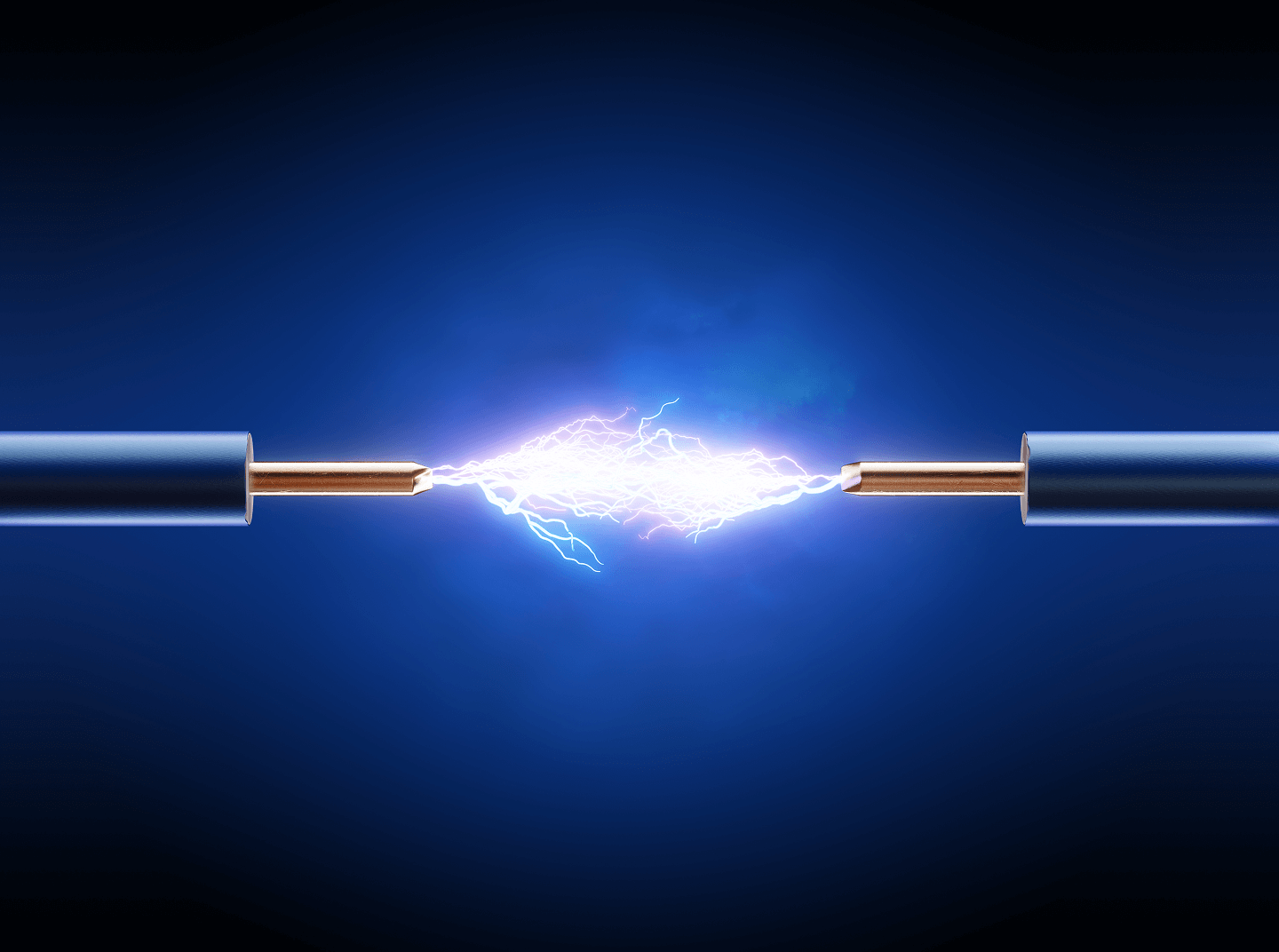
Electric current describes charged particles—either electrons or ions—flowing through a material.
Electricity flows through some objects more easily than others, depending on the object’s size, shape, temperature, and the material it is made from.
Electrical conductivity is a material property—a way to describe how easily electricity can flow through different types of materials.
Conductors and Insulators
Some metals like copper, gold, and aluminum have high electrical conductivity—electricity can flow through them relatively easily with little energy loss.
Electrolytes conduct electricity because they contain positively and negatively charged particles called ions. In batteries, electrolytes facilitate the movement of ions between the two terminals—the cathode and the anode—to enable the flow of electrical current.
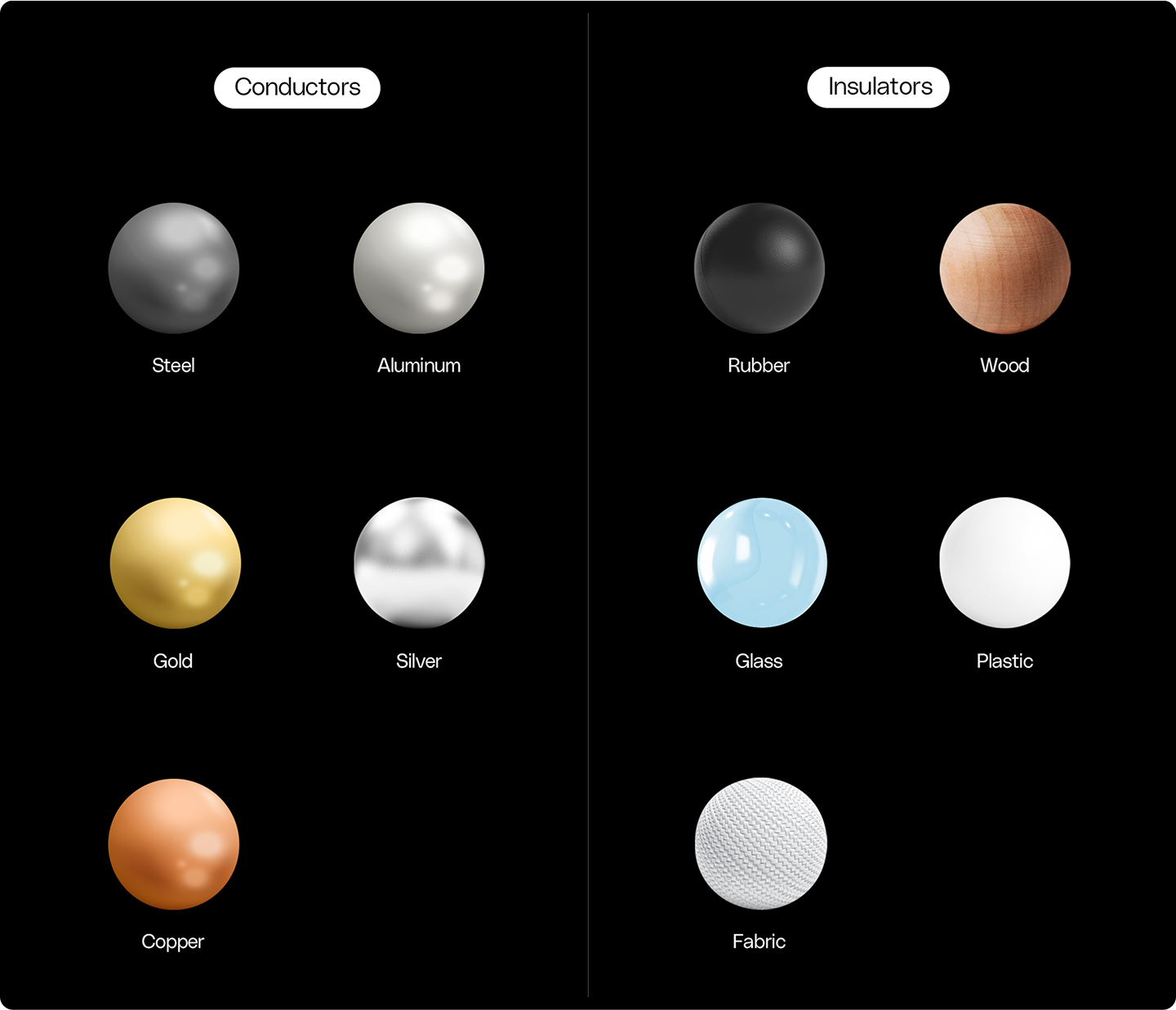
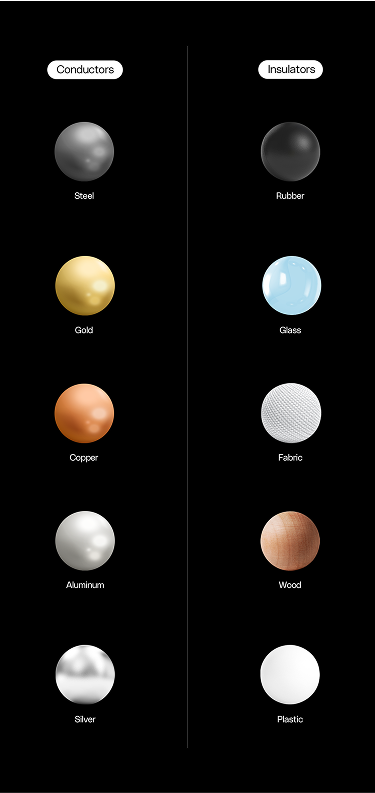
Insulators like wood, ceramic, rubber, air, and most plastics are the opposite—they have low electrical conductivity. Electricity does not flow through them easily.
How do conductors and insulators work together? Think about the electrical cables in your home.
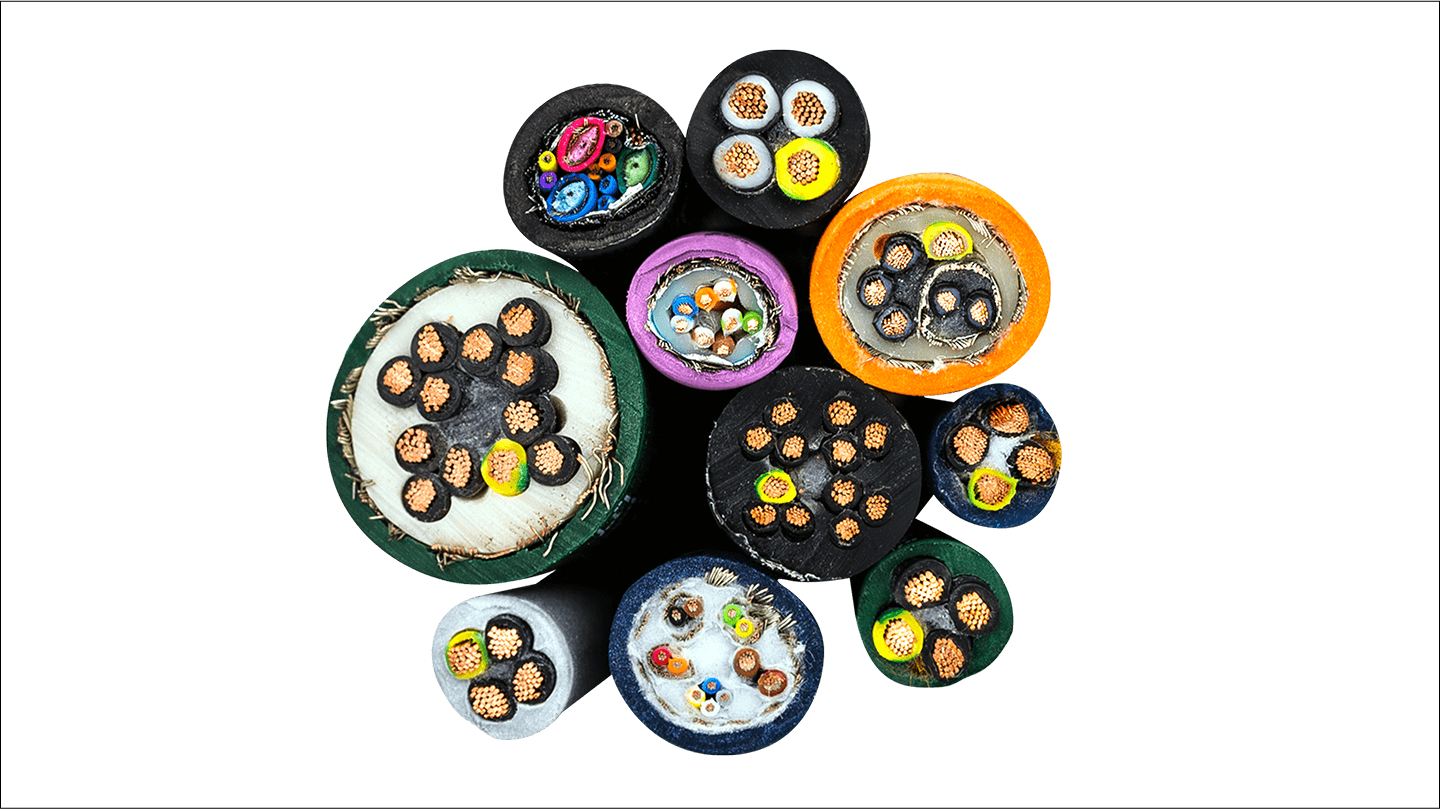
They typically contain bundles of conductive copper wires surrounded by flexible plastic insulators.
The insulators prevent the flow of electricity where it’s not intended to go, with the plastic acting as a barrier between the wires inside the cable and the outside environment.
TRANSFORMERS
Imagine electricity as water flowing through a pipe. Voltage is similar to water pressure—higher voltage is like higher water pressure.
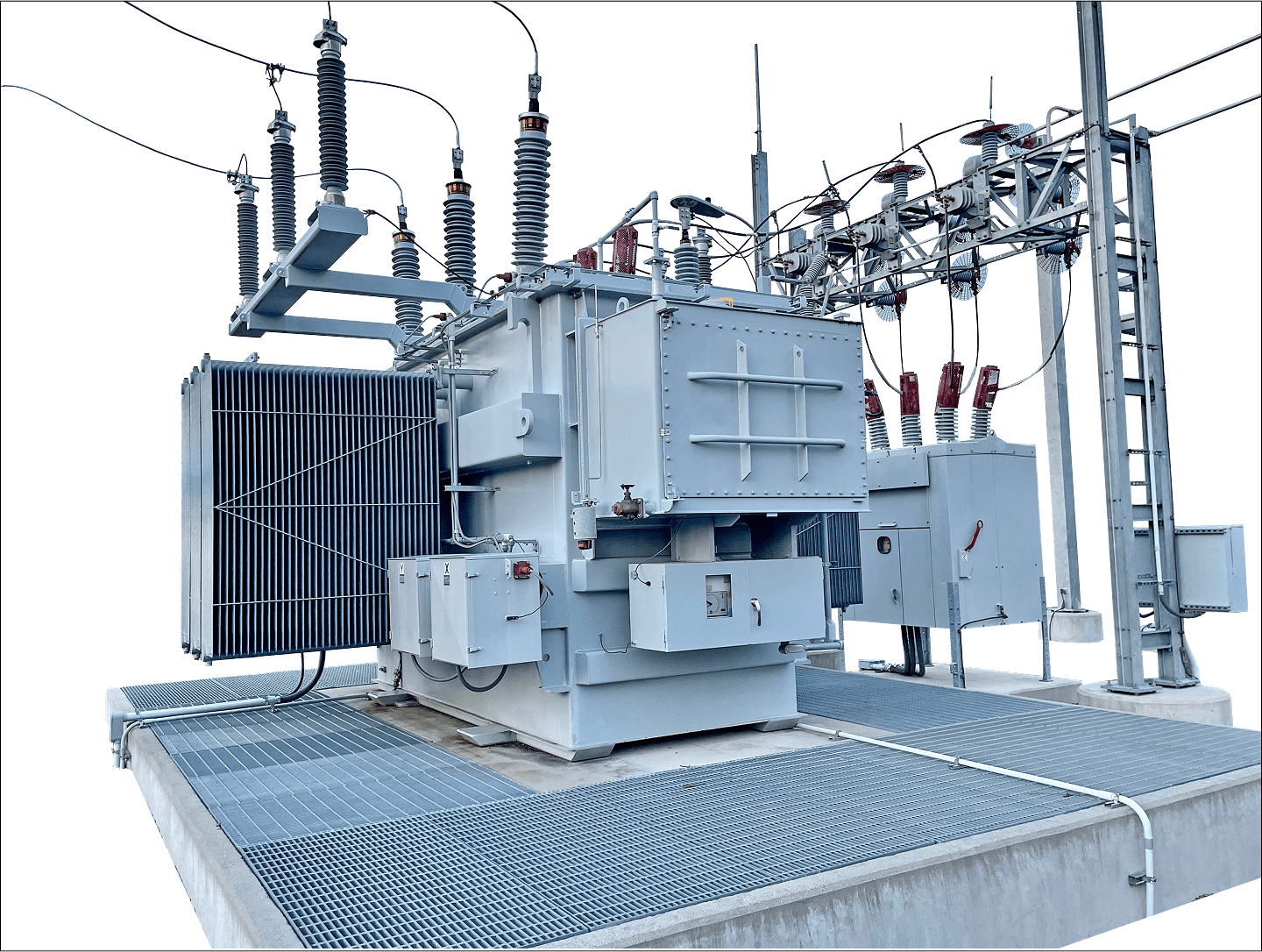
As electricity moves through the grid, sometimes it's necessary to increase or decrease the voltage. Transformers are used to change, or transform, electrical voltage: step-up transformers increase voltage and step-down transformers decrease it.
In the electrical grid, transformers are often located in electrical substations, where they transform electric voltage between high-voltage transmission lines and lower voltage distribution lines.
The electrical grid is an interconnected network, like a giant highway system, that delivers electricity from the places where it’s produced to the places where consumers need and use it, such as in their homes, schools, and businesses.
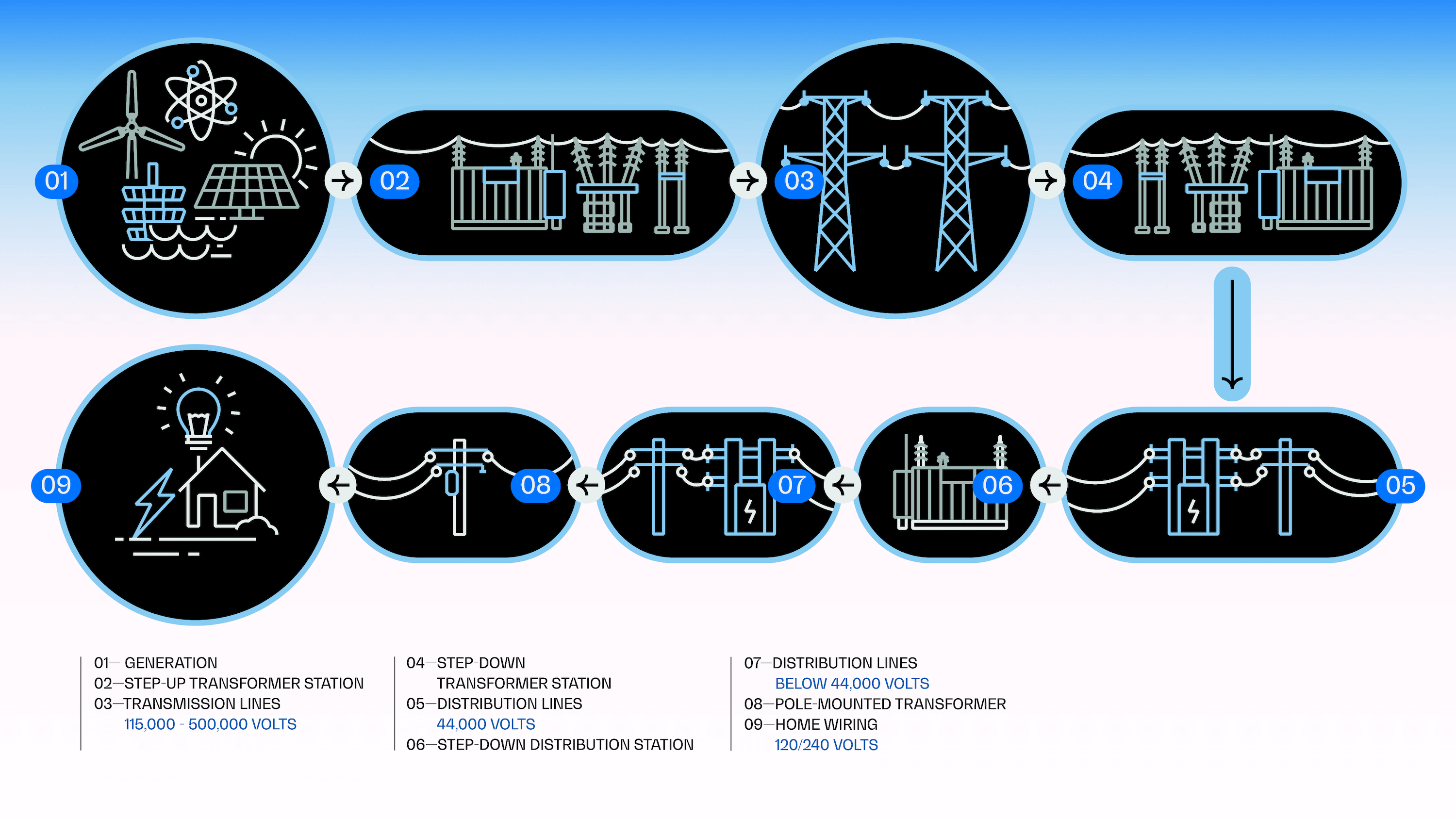
The grid has four components:
Electrical substations, where electrical voltage can be increased or decreased, link the different components.
Step Up to High Voltage:
From Generation to Transmission
When electricity is generated at a power plant or a wind farm, it may have to travel long distances to get to where it’s needed.
To move large amounts of electricity with speed and efficiency, it must first be transformed to a higher voltage. This helps to reduce the amount of electrical energy lost as heat as it travels through the wires.
After electricity leaves the generating station, the voltage is first increased with a step-up transformer. And then, the electricity is directed to high-voltage transmission wires.
Long Distance Transmission
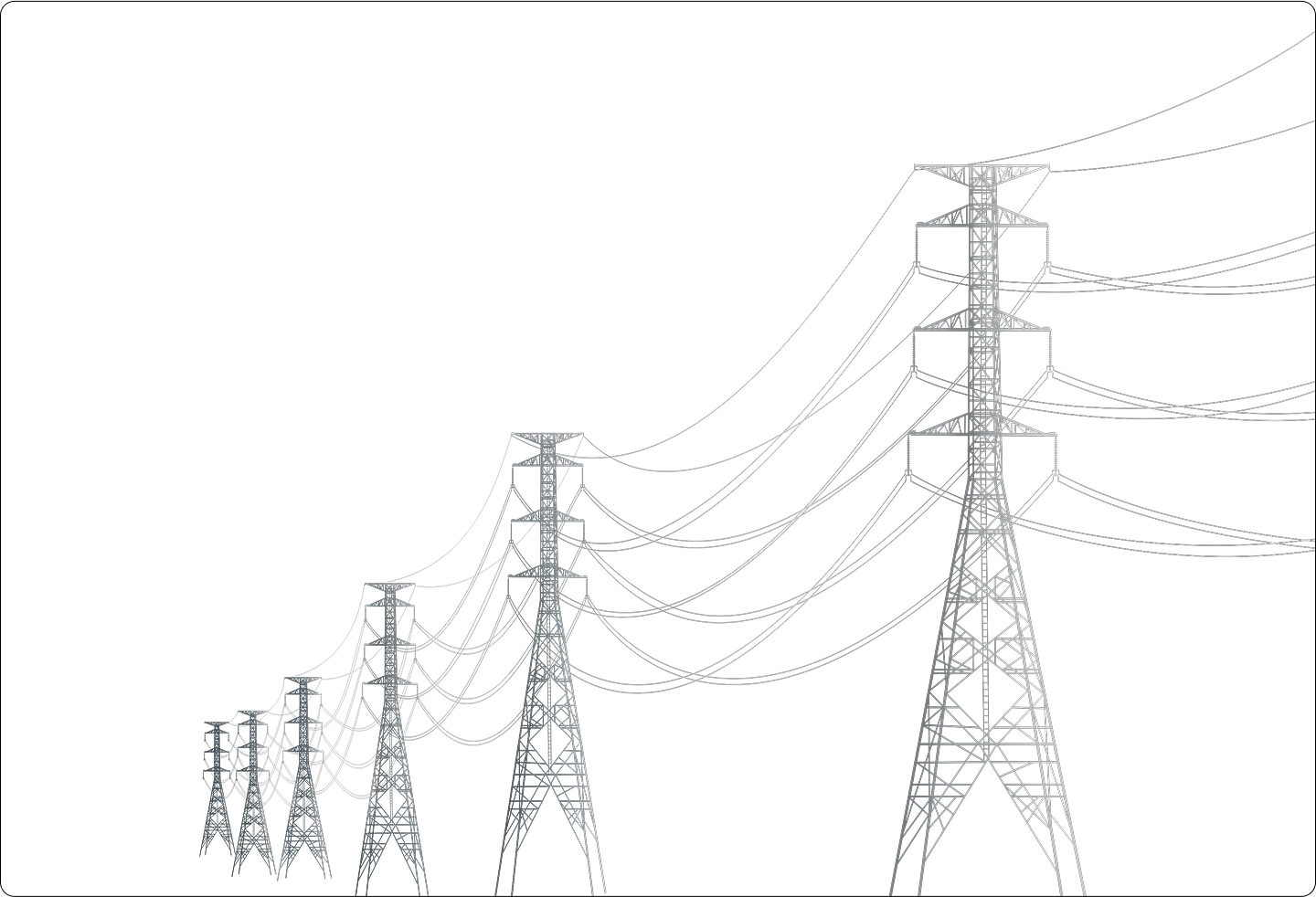
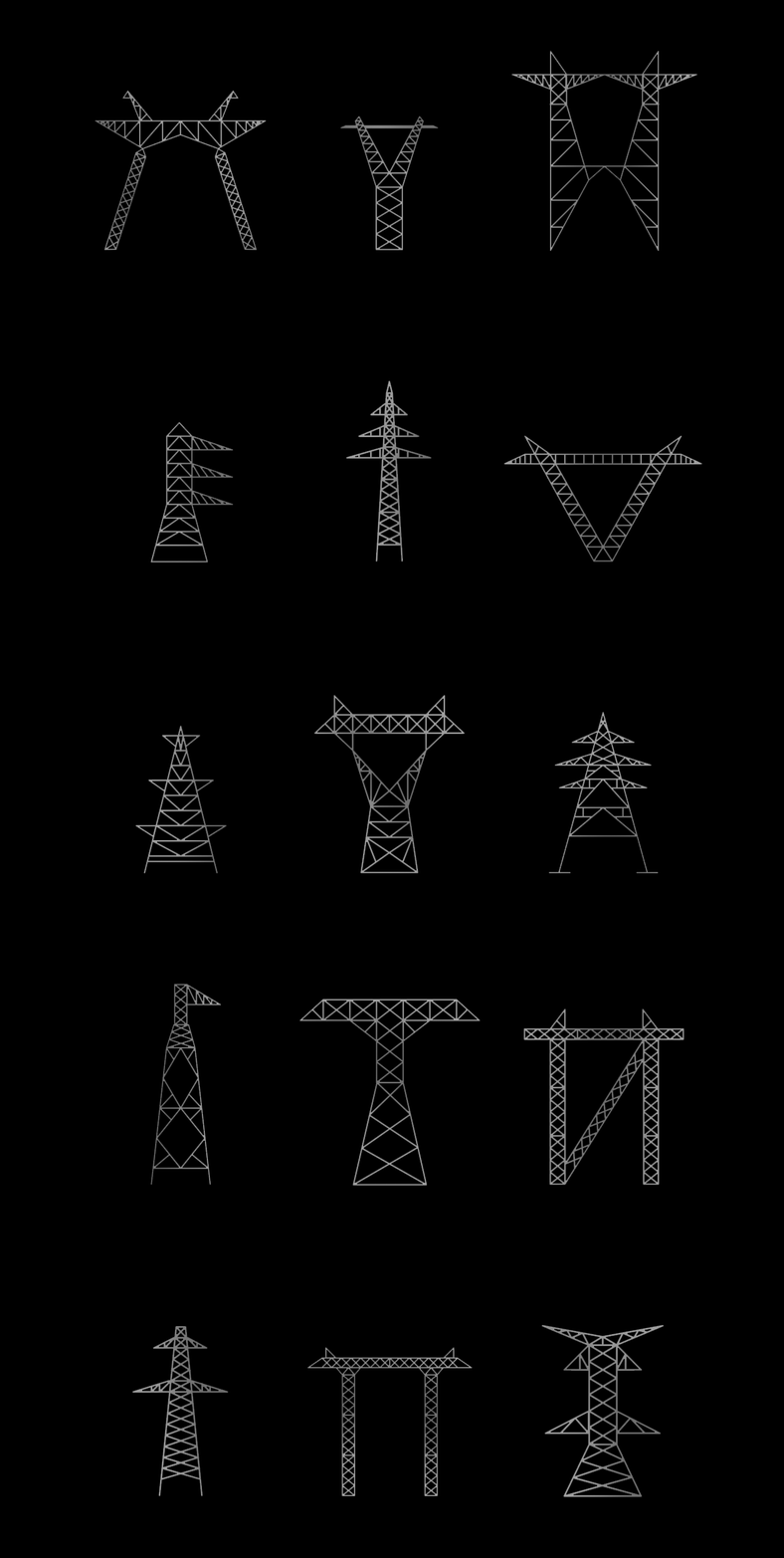
Transmission towers are tall structures, often made of steel, that you may have seen around your community.
These towers carry high-voltage electricity through special conducting cables. The cables are made of aluminum—an electrical conductor—and they have a steel core for strength.
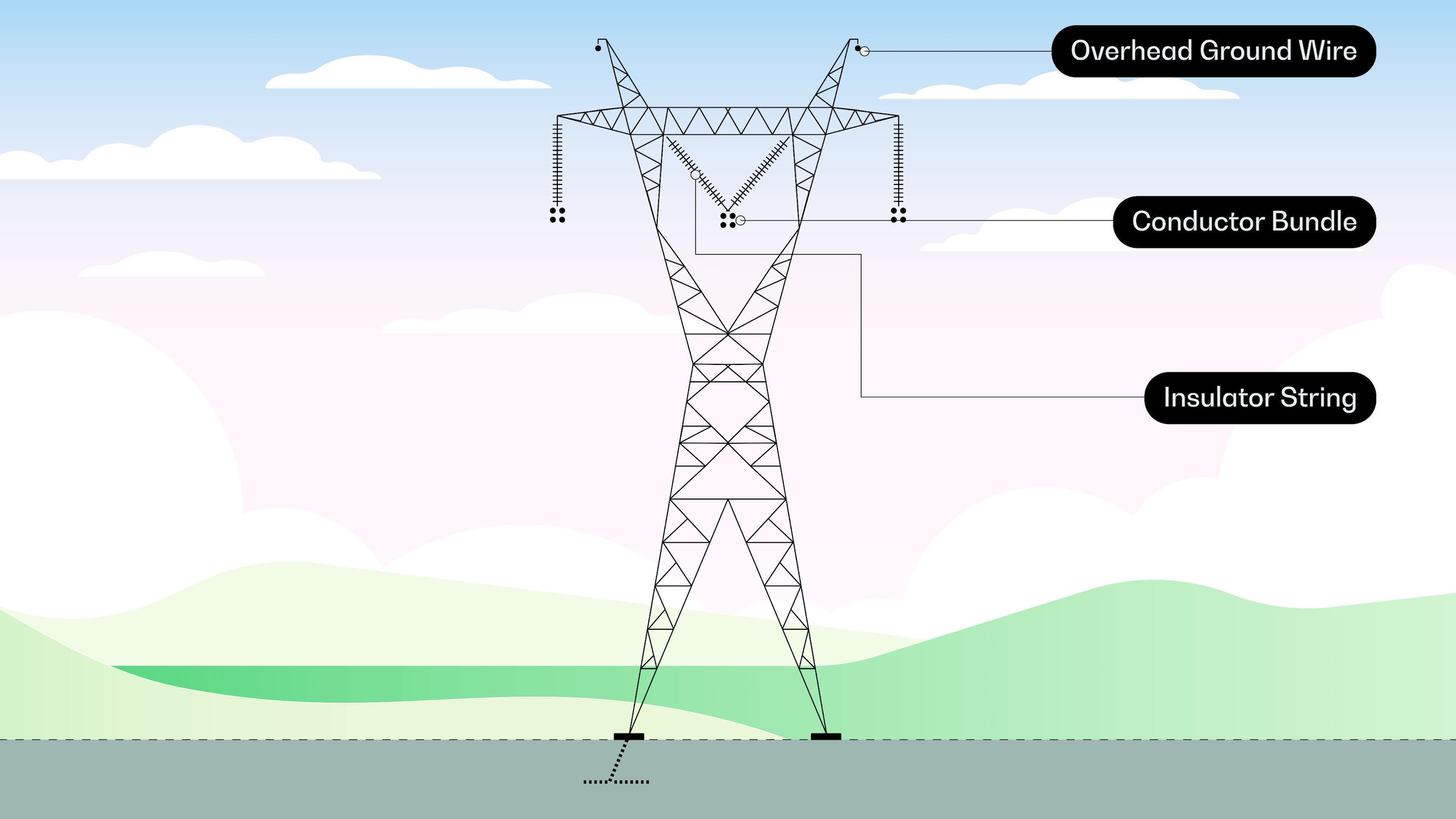
Unlike electrical cables in your home, these cables aren’t covered by plastic insulation.
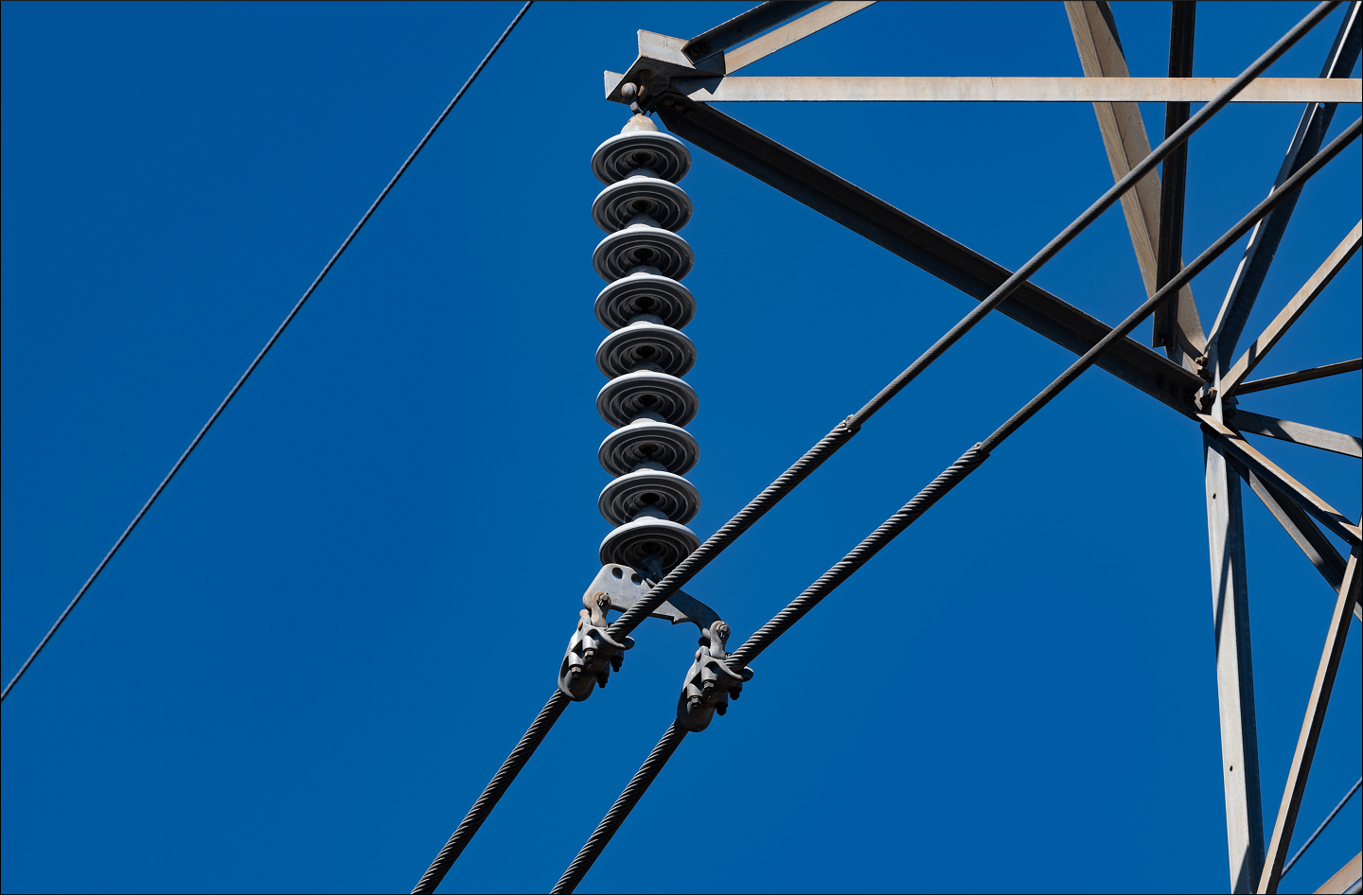
Instead, insulating discs made of materials like glass, ceramic, or silicone rubber keep the cables a safe distance from the tower. The number of discs increases with the electrical voltage that’s being transmitted.
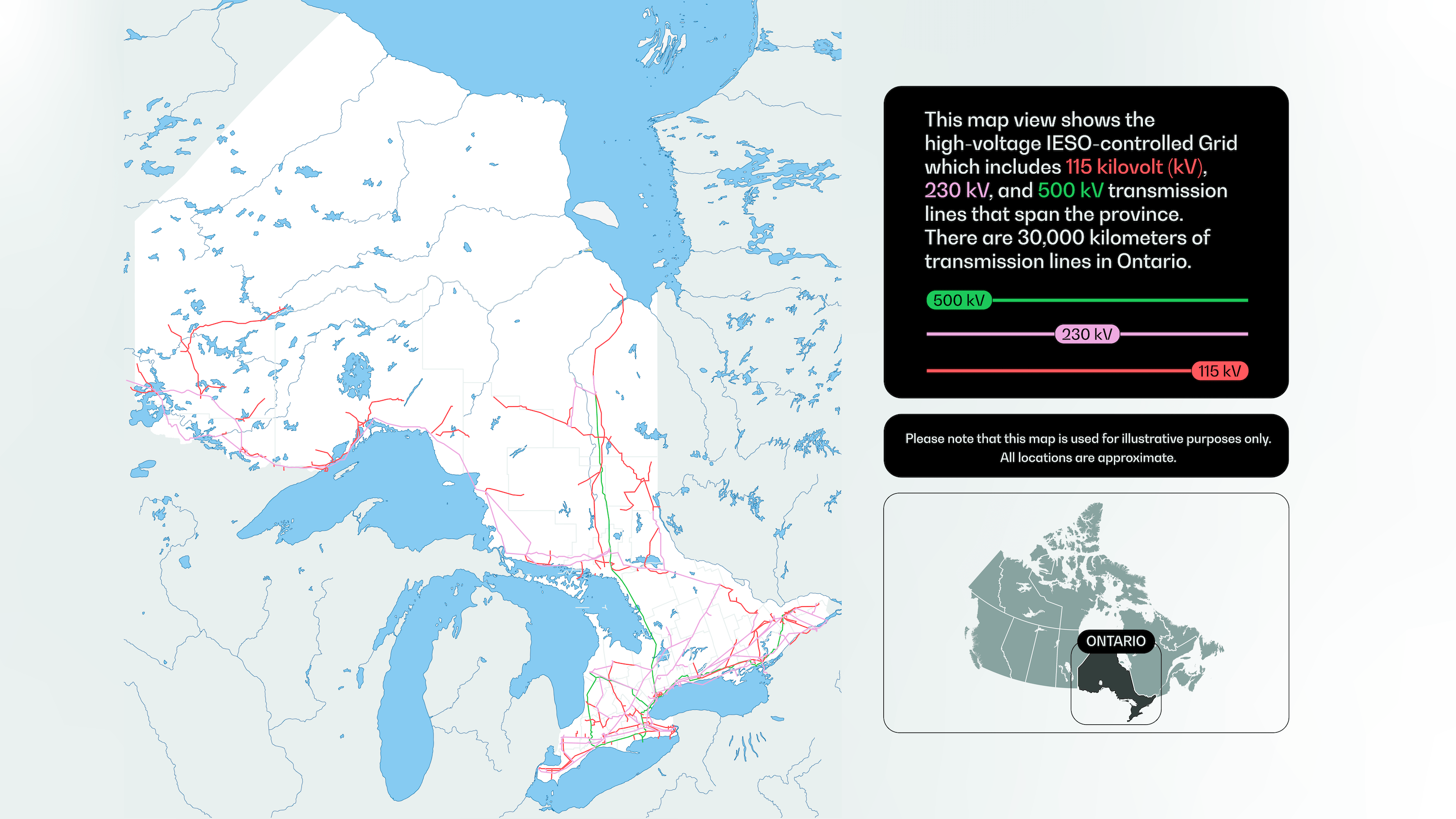
Ontario alone has over 30,000 kilometres of long-distance transmission lines—enough to reach three quarters around the Earth! This map shows electricity generation stations and their connection to the high-voltage transmission grid.
High-voltage transmission lines are also connected to neighbouring provinces and states, allowing electricity to be imported or exported depending on demand.
For example, Quebec has an abundance of hydroelectric generating stations, and most residents use electric heating instead of natural gas.
Due to Quebec’s cold climate and reliance on electric heating, demand for electricity is high in the winter, so electricity is exported from Ontario. In the summer, Southern Ontario tends to have a greater reliance on air conditioning, which means a higher electricity demand. During these hotter months, electricity can be imported from Quebec to where it is needed most.

Stepping Down for Safety:
Electricity Distribution
The transmission and distribution systems are connected by electrical substations with transformers.
When the electricity running through the transmission wires arrives close to a city, industrial plant, or rural community, it passes through step-down transformers that convert it down to a lower voltage. Distribution transformers lower the voltage further as the electricity transitions from the supply lines to its eventual destination.
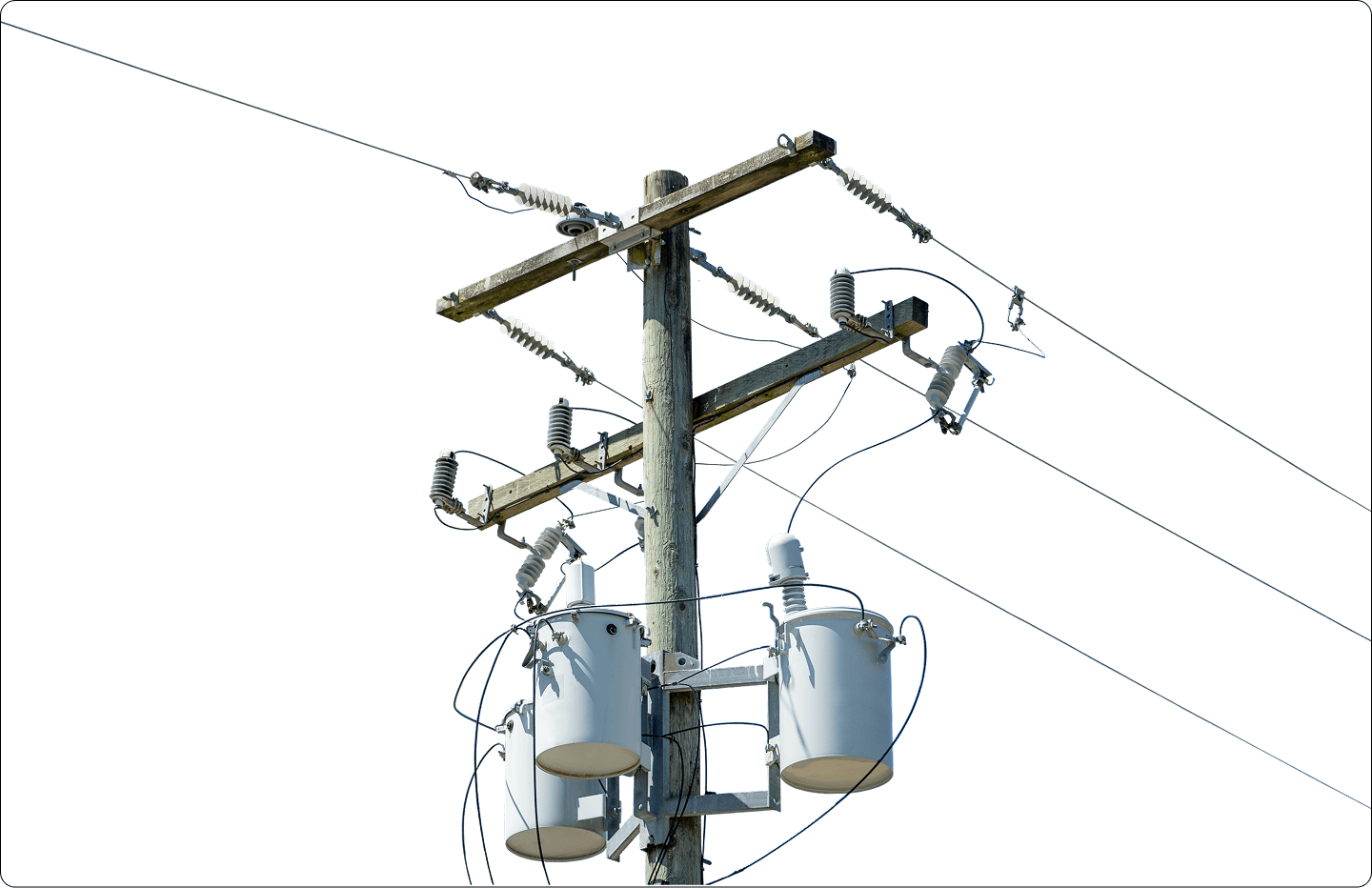
You may see distribution lines running along streets in your neighbourhood into your home.
In many newer communities, these lines may not be visible since they have been buried underground. In Ontario, there are over 260,000 kilometres of distribution lines. That’s enough line to stretch around the Earth six times! And this number continues to grow as Ontario’s population increases and our electricity needs evolve.
Before the Smart Grid
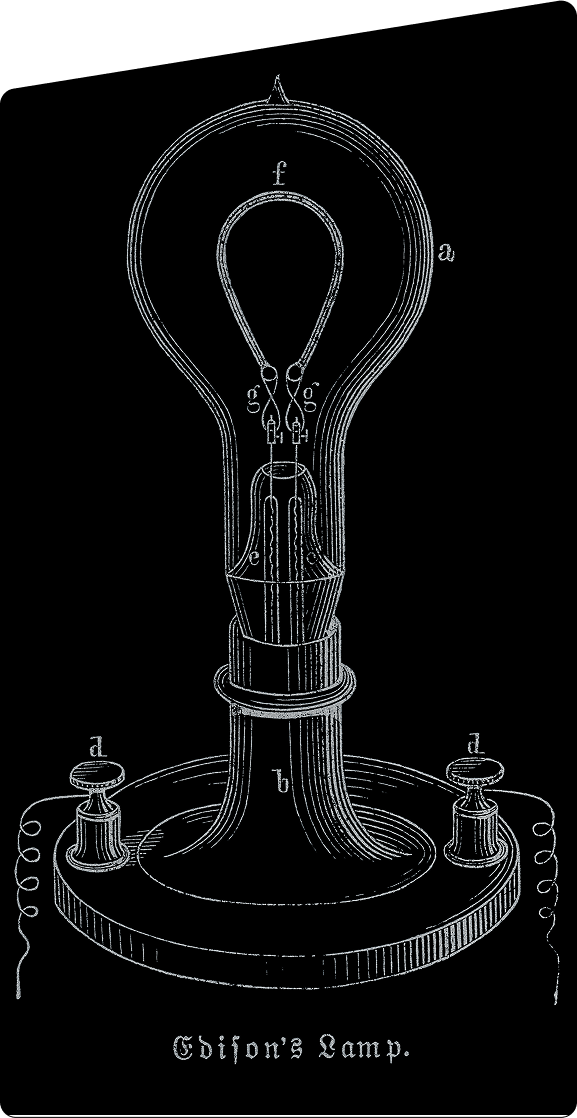
In the 1800s, experiments with electricity led to the development of electrically powered technologies, like electric lighting. When people started to use electricity, the demand soon grew.
In 1895, the Adam No. 1 station in the Niagara region became the world’s first large-scale alternating current (AC) generating station. In 1909, the first international transmission line opened between Canada and the United States.
In the second half of the 1900s, the growth of digital technology led to massive innovations in computing and the emergence of the internet in the 1980s. And in the early 2000s, digital technology began to transform the grid.
What Makes the Grid “Smart”?
Smart grid innovations integrate digital sensors and communication technology, allowing the simultaneous flow of electricity and information.
The combined flow of electricity and communication creates a grid that is more efficient and more resilient. Think of the smart grid like a smart phone—it uses technology to do more things, like sharing information and working more efficiently.

Facilitating Distributed Generation:
The grid is comprised mainly of centralized generation stations, which generate large amounts of electricity and send it long distances.
In contrast, a distributed approach uses multiple smaller generation sites—like solar panels or wind turbines—located near the places where people use energy in their homes, schools, and businesses. Virtual power plants are also on the rise. This type of distributed generation is a network of small-scale power sources, such as rooftop solar panels, electric vehicle (EV) chargers, or other smart home devices, that work together to provide power to the grid. Smart grid sensors can help to manage a distributed grid, especially with intermittent power sources like solar and wind.
Reverse Charging:
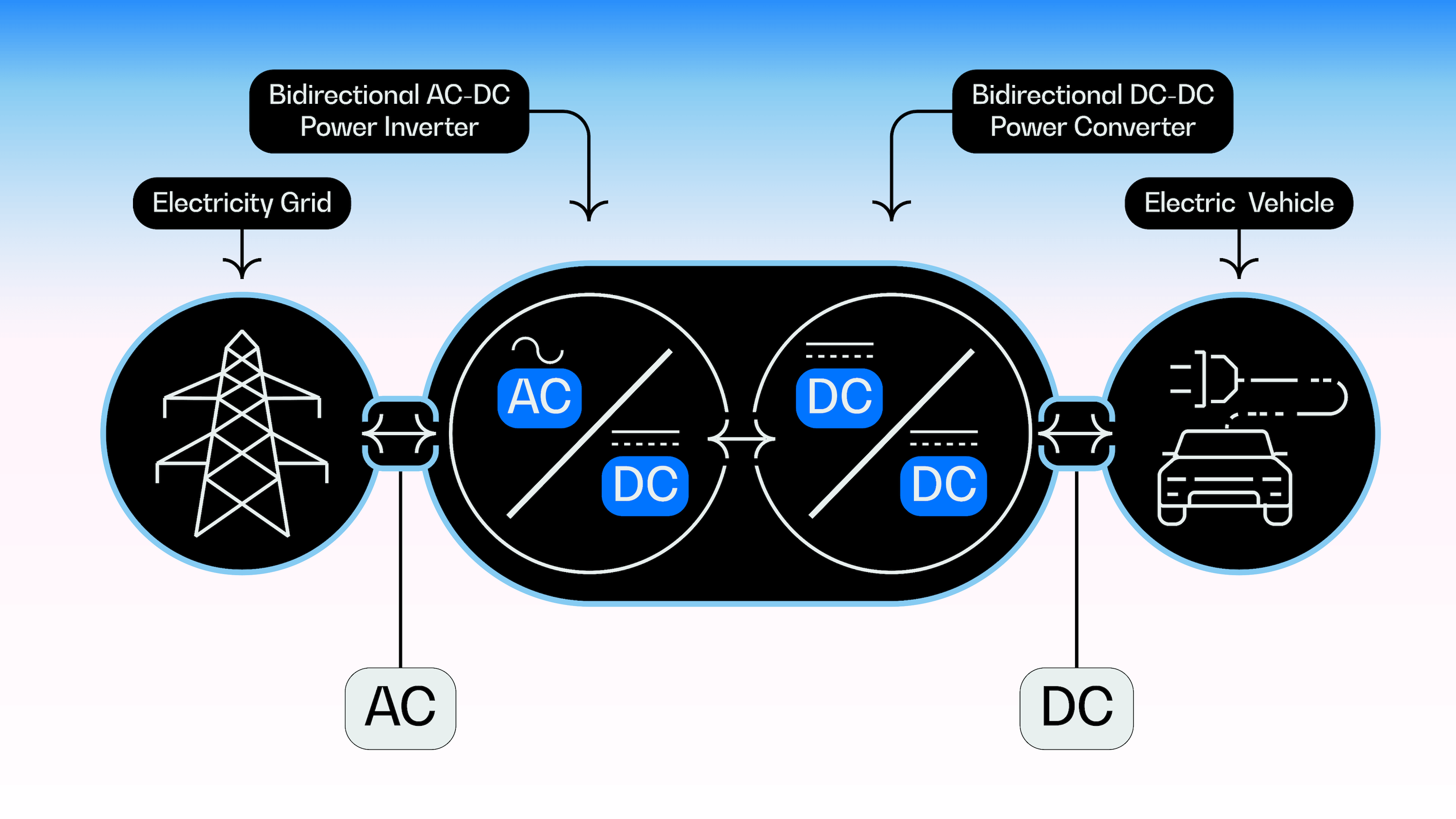
Most EV charging stations send electricity from the grid to the vehicle’s battery.
Vehicle-to-grid charging stations allow EVs parked at home to send electricity back to the grid when it’s needed. This is called reverse charging, and it helps during times of high electricity use.
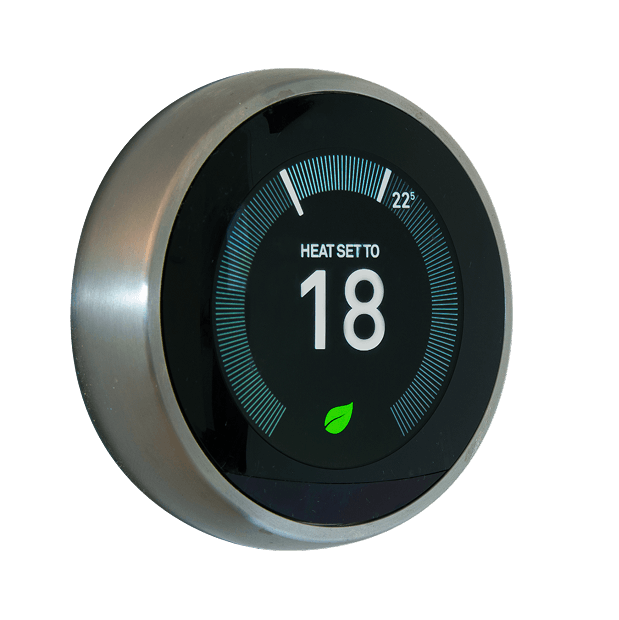
Demand Response:
When electricity is in high demand, customers can choose to reduce their use—and receive payments or discounts for doing so.
Smart thermostats are one type of demand response technology on the rise in homes across Canada. They can be programmed to detect and respond when the electricity grid is under strain. For example, during a heatwave when electricity demand is high, smart thermostats can temporarily reduce the consumption of energy-intensive appliances like air conditioners and water heaters.
Lost from the Grid
When electricity moves through a wire, electrons sometimes bump into atoms in the wire. When these collisions happen, some electrical energy is transformed into heat.
The more collisions, the more electrical energy “lost” as heat.
Electricity flows easily through conductors like silver, copper, gold, and aluminum compared to most other materials. However, even these materials cannot transmit electricity without some heat loss.
On a grid scale, these energy losses can add up. In fact, experts estimate that as much as 10% of all electricity generated is lost as heat in the grid.
This wasted energy has been seen as an unavoidable cost of transmitting electricity—until recently.
Super Cold and Super Conductive
Superconductivity is a state where electrons can flow without resistance or loss. Using superconductor cables for transmission lines allows an increased flow of electricity, free from any loss!
Superconductor cables also allow for a greater amount of power to be delivered at lower voltages, reducing the need for transformers and transmission towers.
As of today, superconductors only work under very cold temperatures. However, there has been a lot of progress in this area. The first superconductors needed to be cooled almost to absolute zero (-273°C), the lowest temperature possible!
This incredible feat was achieved with liquid helium, the coldest substance available on Earth. Modern “high temperature” superconductors only need to be cooled to a chilly -180°C. This can be done with liquid nitrogen, which is much more readily available and much less expensive than liquid helium.
Now, the search is on for materials that can superconduct at closer to room temperature.
If this breakthrough happens, we will witness a transformational change in how electricity gets to where it’s going. This technology would also enable a multitude of other exciting innovations.
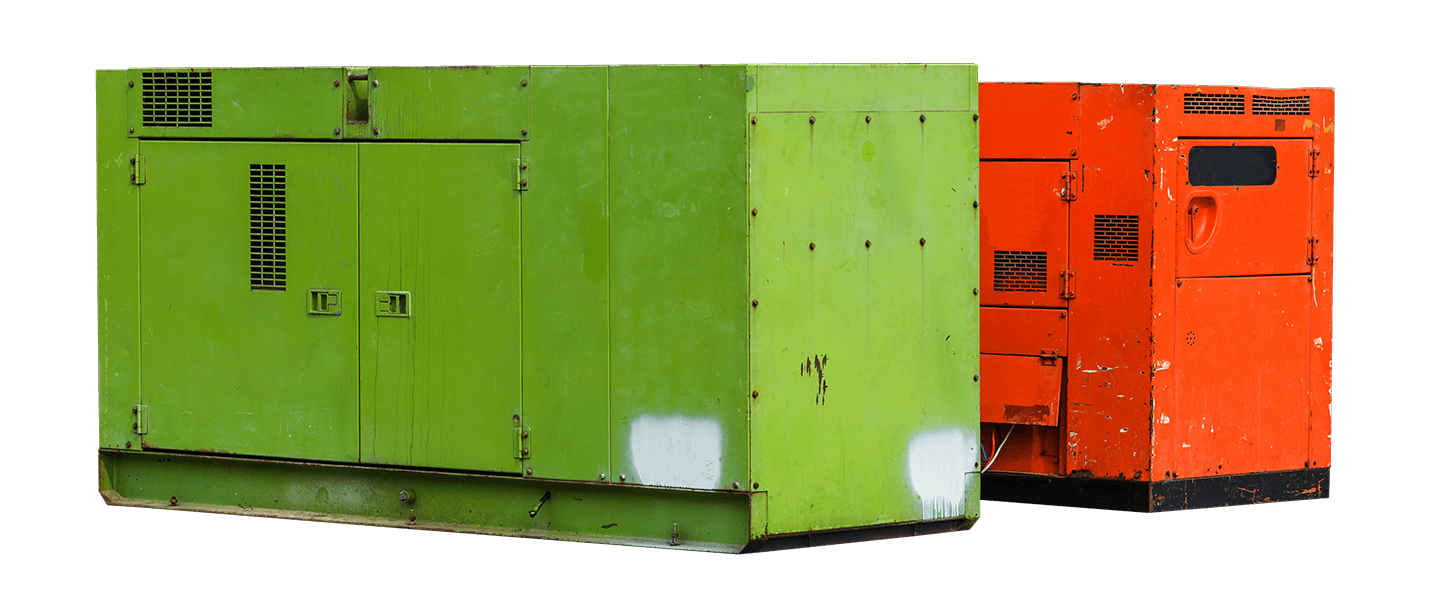
Today, there are still many remote communities in Ontario living off the grid. Most of these Indigenous communities have to depend on costly alternative power sources, such as diesel, because it is the only option.
Diesel generators produce significant noise and air pollution—including greenhouse gases. It’s also difficult and expensive to transport to remote communities. Unfortunately, it has been this way for decades.
This page contains an interactive map showing energy sources used by remote and Indigenous communities in Canada.
This is starting to change.
The Wataynikaneyap Power Transmission Project brought the government of Ontario and the Webequie, Nibinamik, Neskataga Eabametooong, and Marten Falls First Nations together in partnership to install electricity transmission and generation infrastructure. Wataynikaneyap means “line that brings light” in Anishiniiniimowin, named by the Elders who provided guidance on the project.
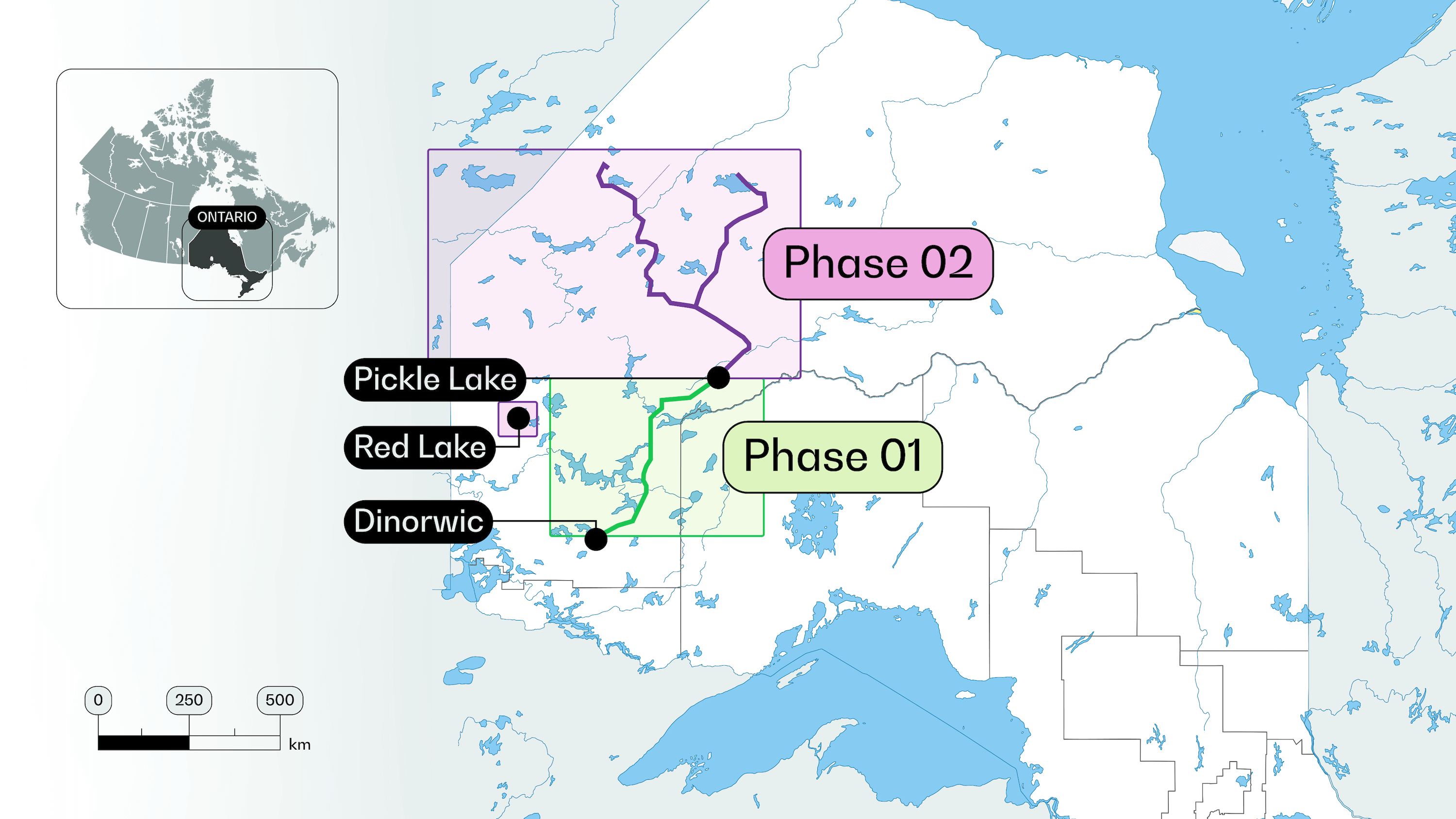
The Wataynikaneyap project ends a long reliance on diesel power, and it has generated jobs and revenue for the communities.
This project is an important step. But, well over a century after electricity was first brought to Ontario homes, there are still many more remote Indigenous communities without low-carbon electricity options.
Other potential energy solutions for remote communities that still rely on diesel may include solar panels with battery storage, or nuclear energy in the form of very small modular reactors (vSMRs).
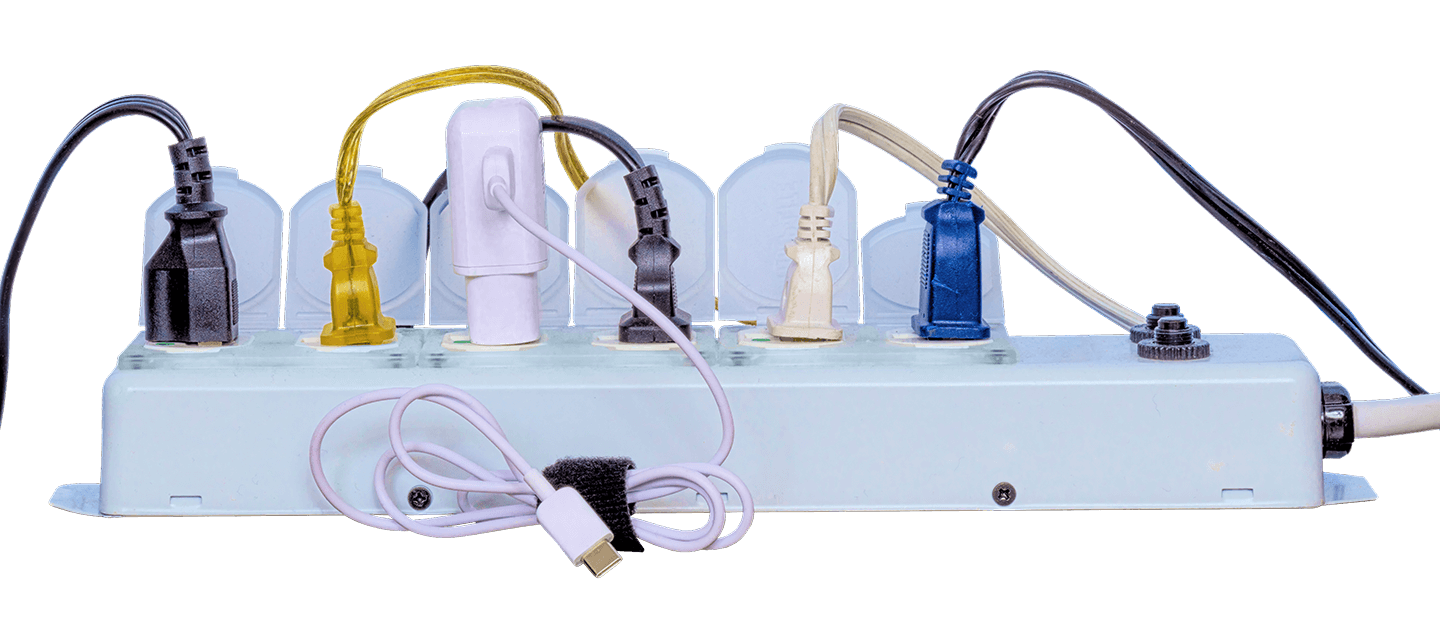
Electricity has transformed human society in countless ways. It has powered advancements in industry, telecommunications, computing, digital technology, transportation, urban development, sanitation, medicine—and much more.
Societal and technological changes continue to shape Ontario’s energy needs. And as the demand for energy grows, so does the development of low-carbon renewable energy technologies.
However, there is a challenge with electricity—electric current flowing through the grid cannot be stored in that form. This creates a problem for renewable energy sources like wind and solar power, which are intermittent. The intensity of sunlight and the speed of wind change daily and nightly, with weather conditions and across seasons.
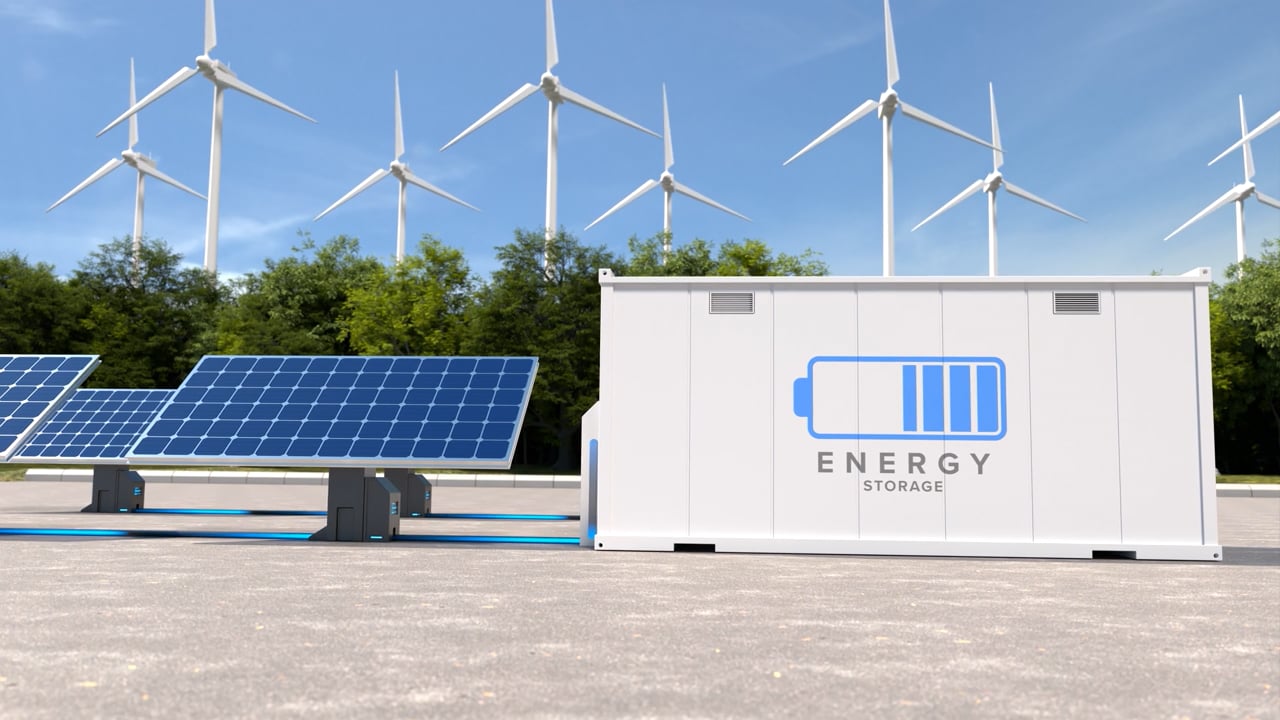
The ability to store generated electricity—to be used when demand is high—would dramatically increase the efficiency of the grid. Today, lithium-ion batteries that provide up to four hours of power are the most popular.
They are relatively low-cost, and they have enough storage capacity for customers to sell surplus electricity back to the grid. Aside from lithium-ion batteries, technologies that store energy longer (for over eight hours, for days, or even for weeks) will help make the grid even more efficient as more renewable energy becomes available.
There is a lot of research into the most efficient ways to store large amounts of electricity for future use.
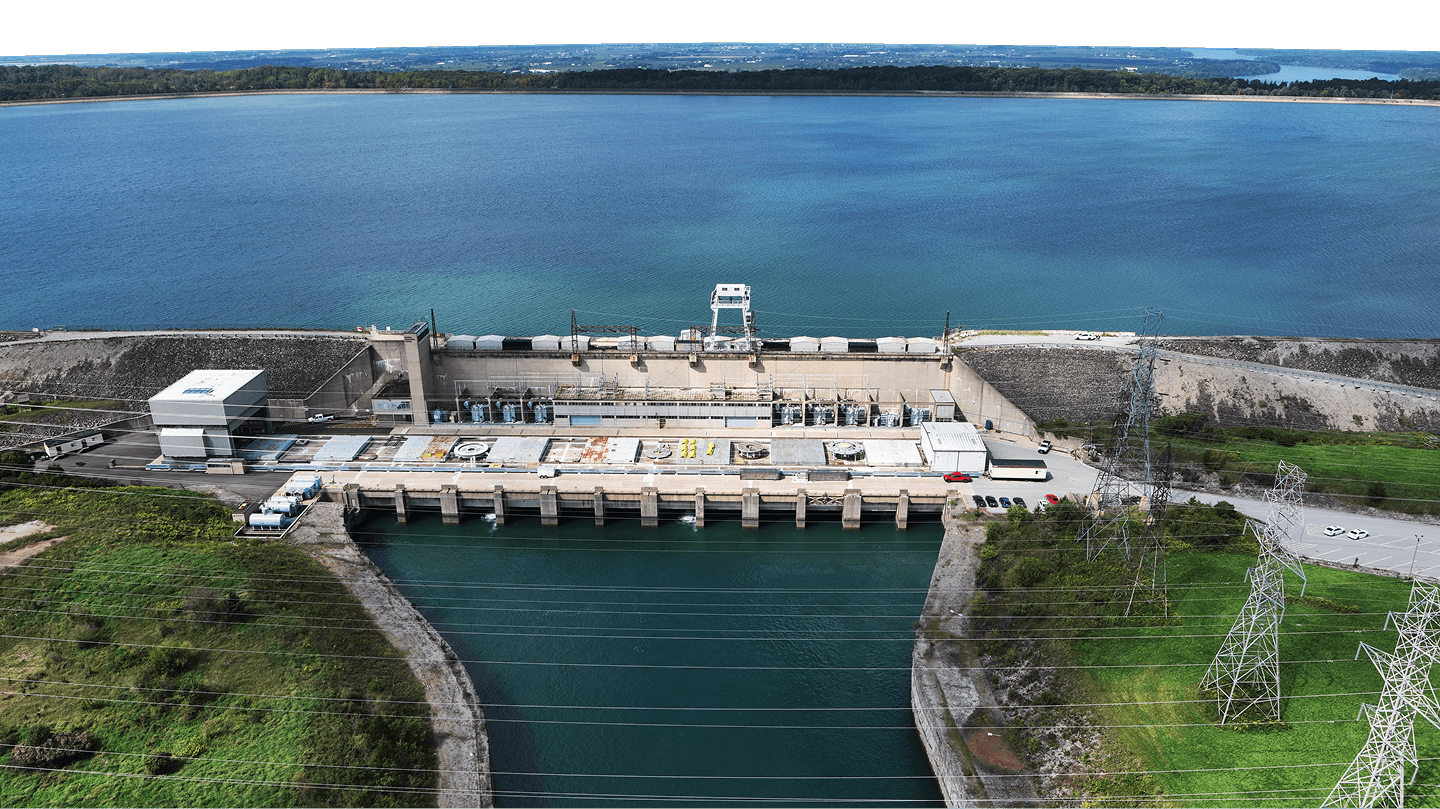
In fact, there are currently over one hundred energy storage technologies being developed globally. And while high-tech innovations are being developed, there are some low-tech methods of energy storage already in use. For example, the water reservoir above a hydro station, which is a bit like a natural battery, can store potential energy to be used when needed.
There are many different approaches to electricity storage currently in development to help us on our journey towards a low-carbon electricity system.
Here are a few of the more promising technologies.

This simple technology uses the Earth’s gravitational field to store energy. It works like this: when an object has been lifted off the ground—against the force of Earth’s gravity—the object will store energy.
This stored energy is called gravitational potential energy. The higher the object has been lifted and the greater its mass, the more energy is stored.
Gravitational potential energy is the secret to snowboarding down a snowy hill. It takes energy to walk up to the top of that hill, but every step taken up the hill stores more potential energy. The more energy that’s stored, the faster and farther you go!
Pumped storage takes water and, during periods of low electricity demand, pumps it up to a reservoir above. Once raised up, the water has gravitational potential energy. This stored energy can be released to flow downhill, turn a turbine, and generate electricity—whenever it is needed. Canada, with its many rivers and water bodies, offers huge potential for pumped storage.
Pumped storage hydropower (PSH) already exists at OPG’s Sir Adam Beck Pump Generating Station, and other projects across Ontario have been proposed. In the Municipality of Meaford, a PSH project intends to pump water from Georgian Bay up to a reservoir during periods of low electricity demand, then release the water back into Georgian Bay to generate electricity during periods of high demand.
Consider the batteries that power your smartphone, laptop, or tablet. Then multiply that by a few million.
That’s the idea behind Battery Energy Storage Systems (BESS). A number of these large battery-farm projects are already emerging across Canada.
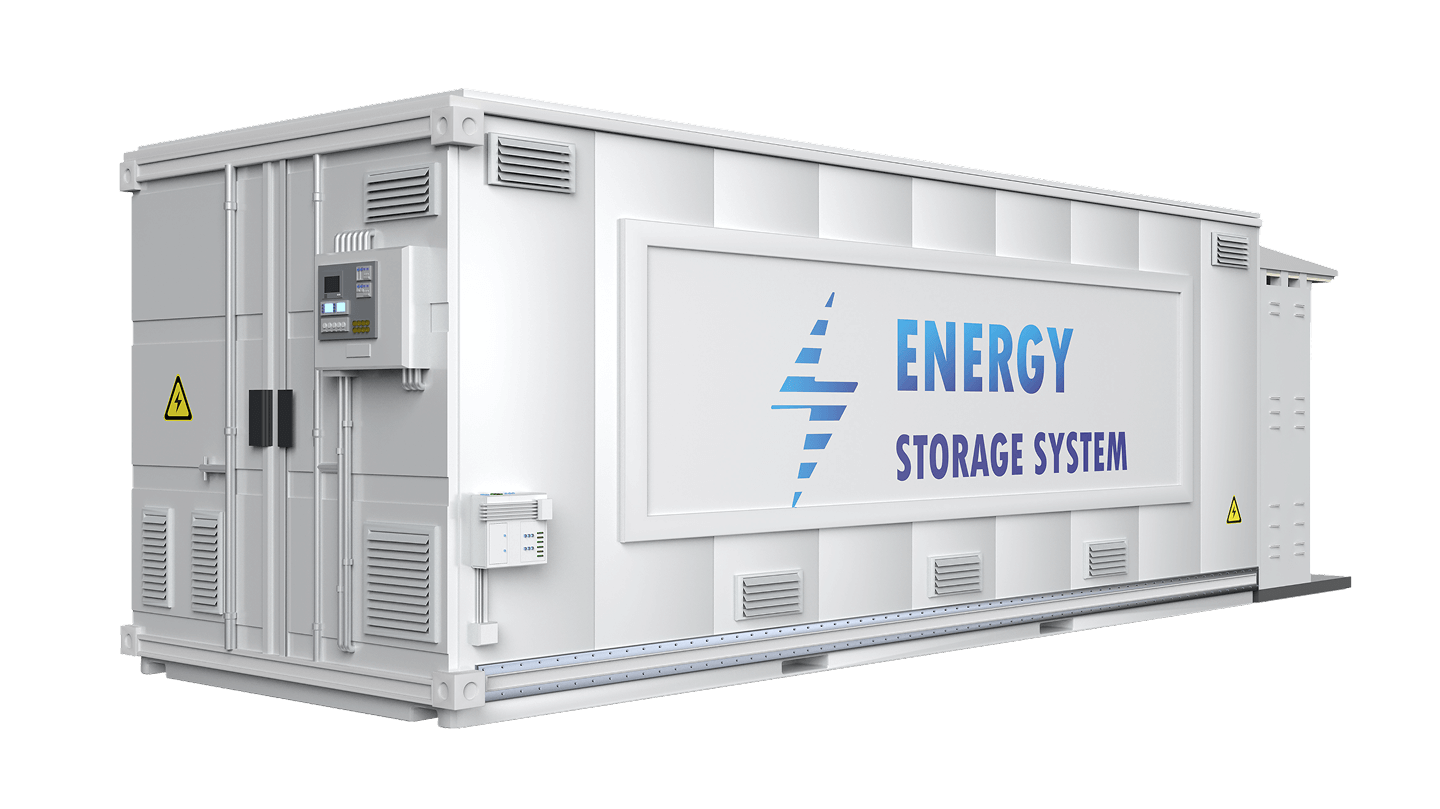
In densely populated downtown Toronto, the Bulwer BESS project, completed in 2020, is helping to:
Hydrogen is another exciting future innovation for energy storage.
Today, most hydrogen production uses steam methane reformation, a process that separates hydrogen atoms (H2) from natural gas (CH4). This produces hydrogen gas as well as carbon emissions.
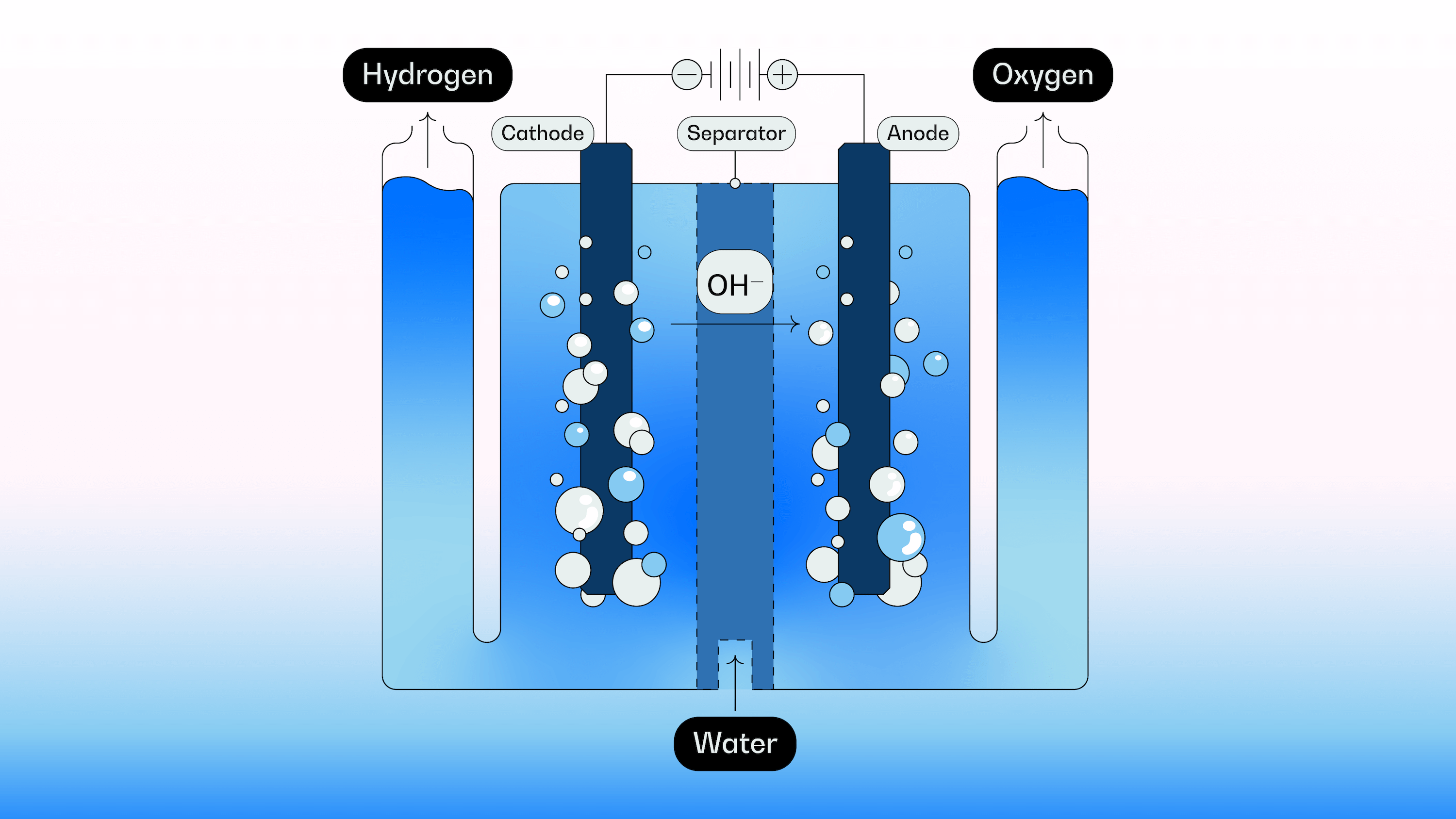
Renewable hydrogen uses readily available electricity from renewable energy sources to split water (H2O) into its components—hydrogen and oxygen—using a process called electrolysis.
The hydrogen is then stored in a liquid or gas form until extra electricity is needed. How do we obtain energy from this stored hydrogen? One way is by burning the hydrogen (H2) with oxygen (O2). This results in a significant release of energy with the only emission being water (H2O).
Like other storage methods, hydrogen storage can be used to store energy from intermittent sources like solar or wind, or to store energy during off-peak hours.
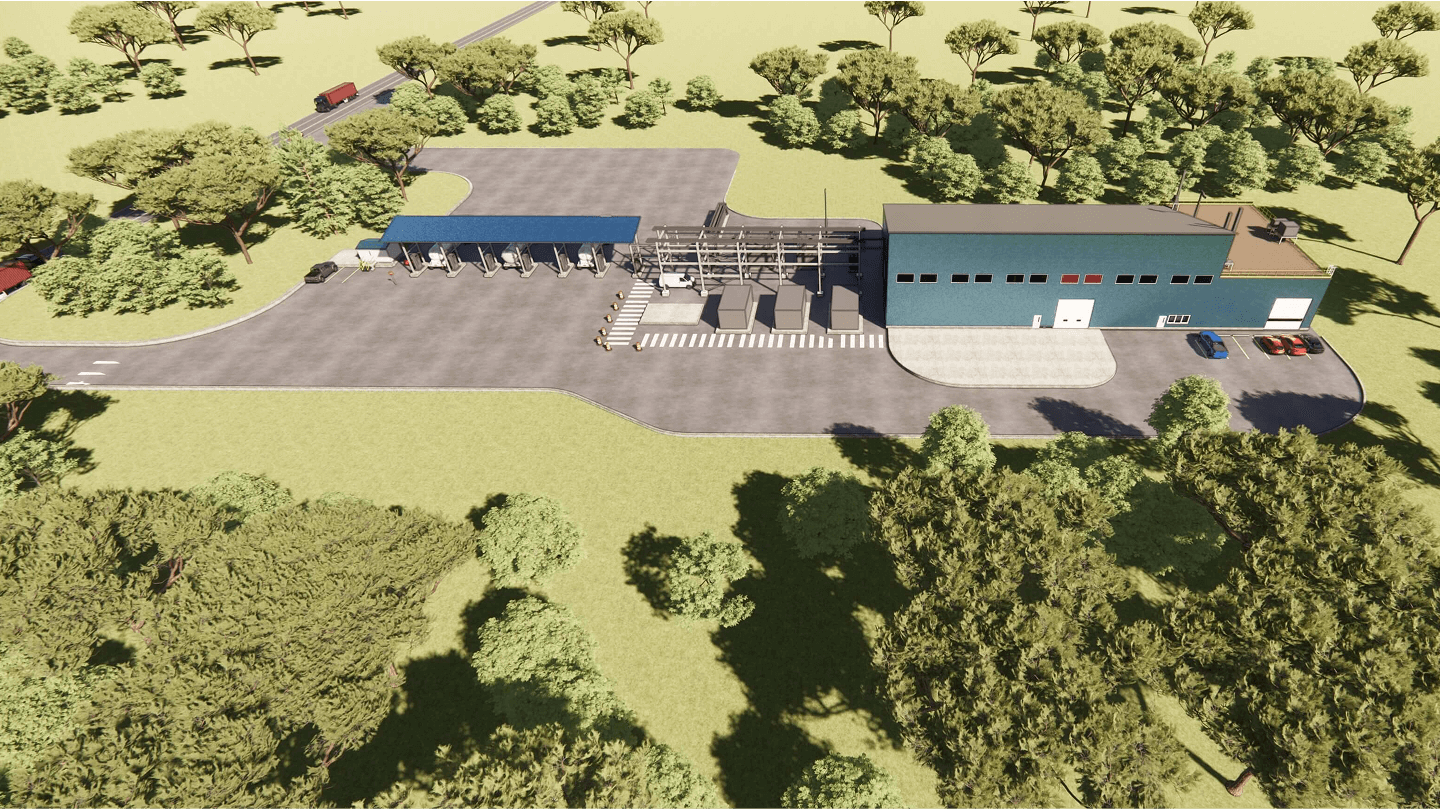
The Niagara Hydrogen Centre will be Ontario's largest renewable hydrogen production facility. The 20MW facility will use electrolysis technology to split water into hydrogen and oxygen molecules, and it will be powered by renewable electricity directly from the nearby Sir Adam Beck II Generating Station.
Air is a mixture of gases, including nitrogen, oxygen, and carbon dioxide. Compared to solids and liquids, gases have unique properties because the molecules—or particles—are relatively far apart.
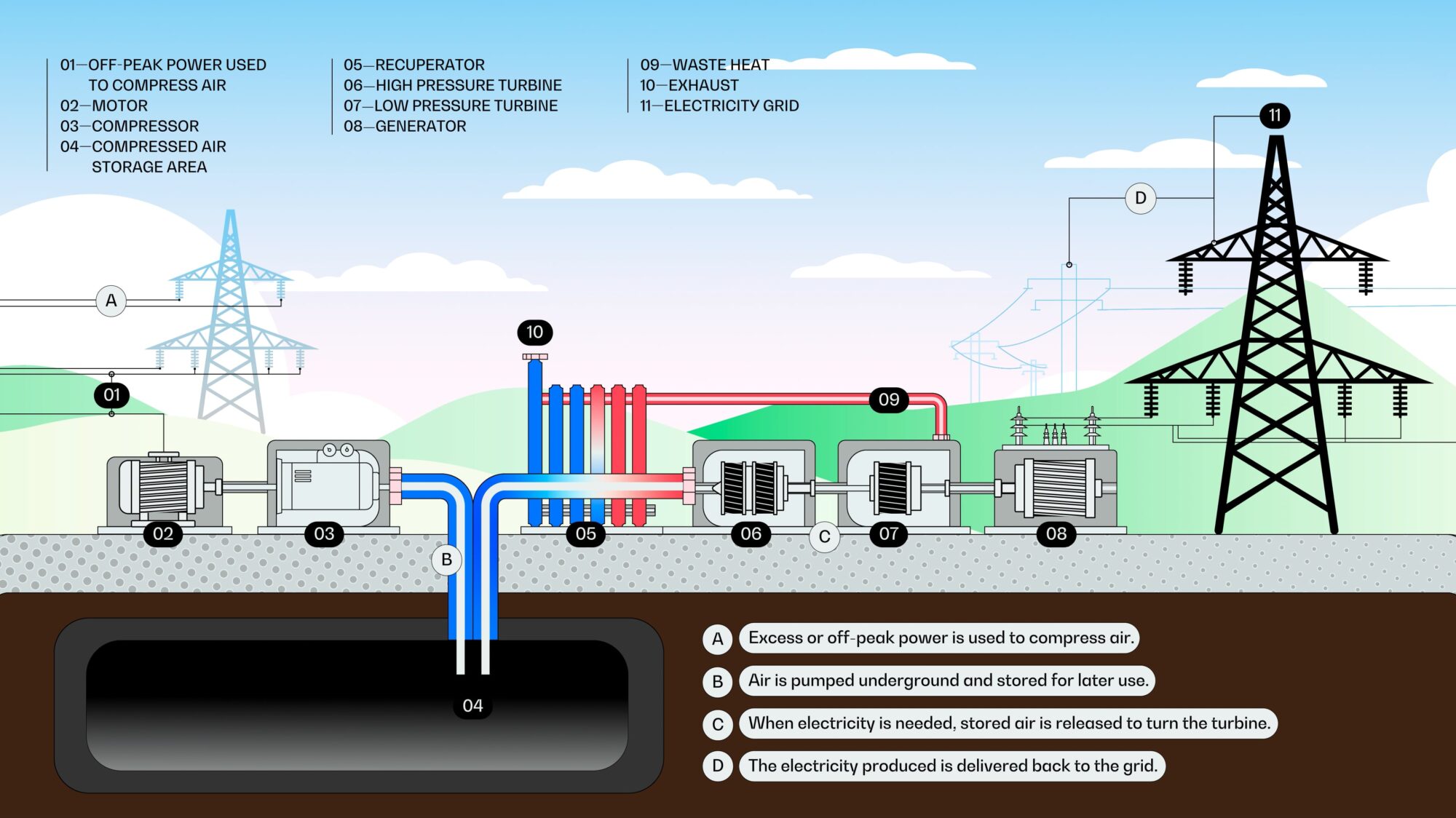
With a little bit of energy, these particles can be squished together, or compressed. Compressed air is a form of potential energy, so it can be used to store energy.
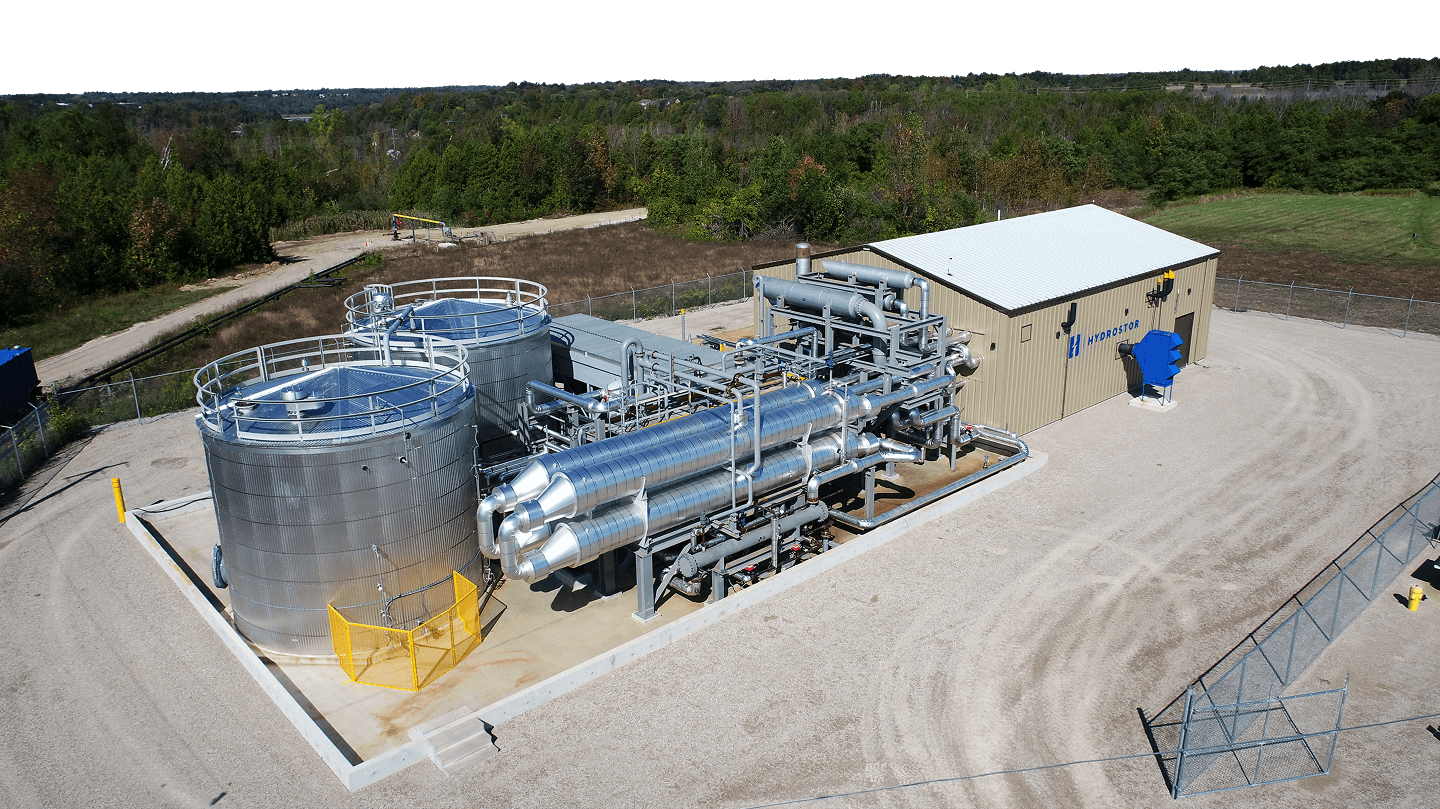
A former salt mine cavern in Goderich, Ontario is now the first zero-emission advanced compressed air storage facility in the world. How does it work? Excess or off-peak electricity from the grid is used to power an air compressor. The compressed air is stored in the mine’s underground caverns. When electricity is needed, a valve is opened and the stored air is released. On its way out, it turns an air turbine, generating electricity.
A flywheel is a large, heavy wheel that can spin at high speeds. When a flywheel is spinning rapidly, it has a lot of momentum and will continue spinning for a long time before it stops.
Flywheels are often used in machinery to transform intermittent energy inputs, like the motion of a piston in an engine or the spinning of a wind turbine, into continuous motion. Think about how a playground spinner or carousel will spin continuously even if it’s only pushed every second or two.
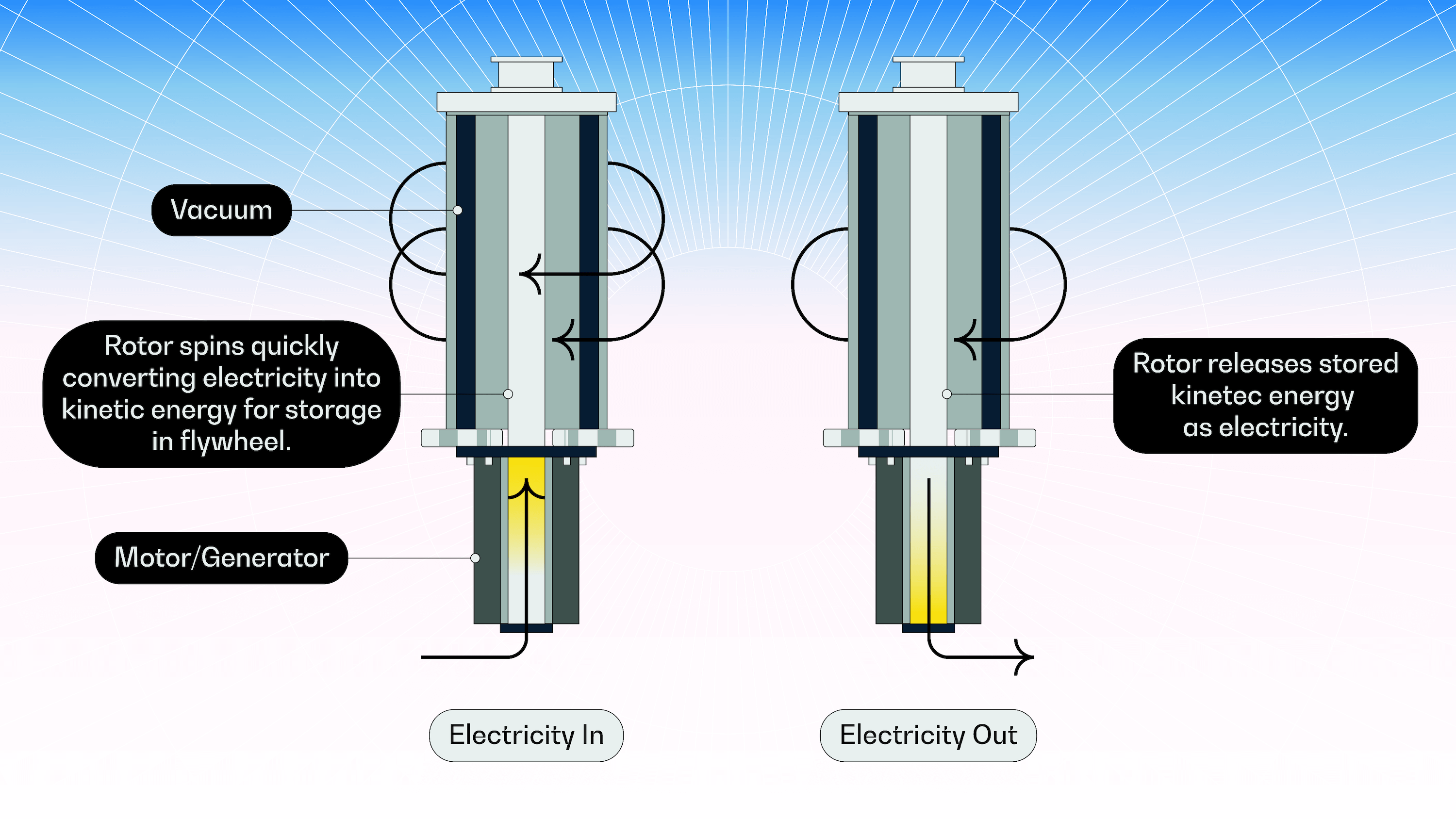
Flywheels can also be used to store energy. Off-peak or excess electricity can be used to spin a heavy flywheel, often weighing several tonnes.
When electricity is needed, the kinetic energy of the flywheel can be harnessed to drive a generator, producing electricity.
Molten salt batteries are a type of thermal battery—they store energy as heat.
How do these batteries work? When energy is plentiful, it can be used to melt chemical salts like sodium nitrate and potassium nitrate. When these materials change phase from solid to liquid, they store a lot of energy as heat. With sufficient insulation, the salts will remain molten, and much of the heat energy can be stored for later. When electricity is needed, the molten salts can be used to boil water, producing steam which then turns a turbine and generates electricity.
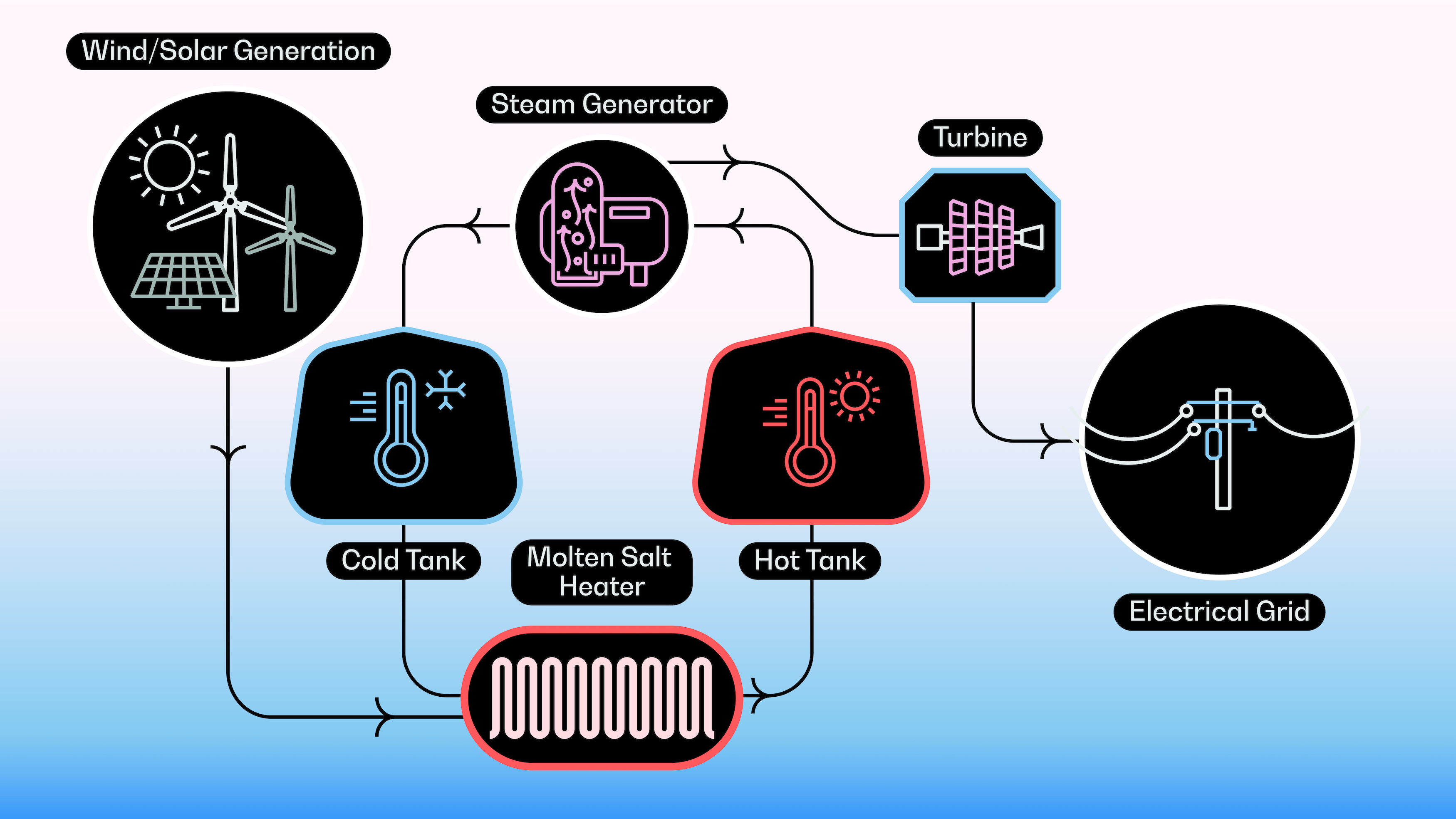
Molten salt batteries can be used to store energy from concentrating solar power projects.
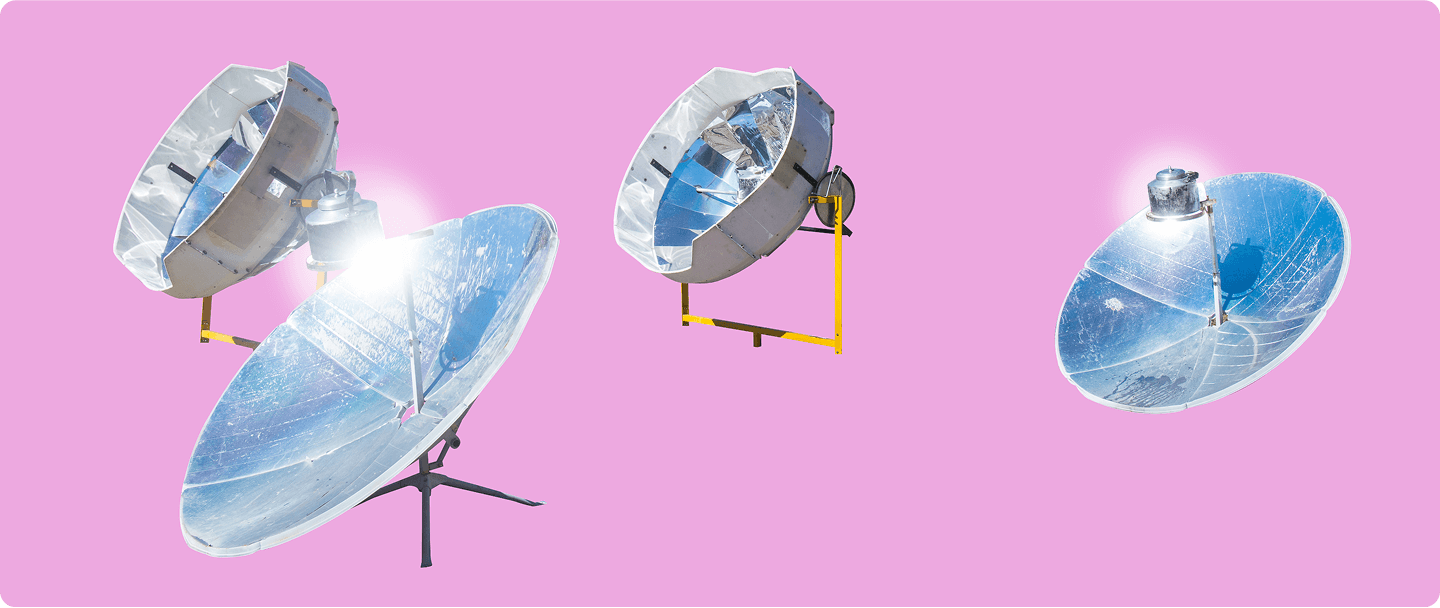
Concentrating solar power is a little bit like a solar oven, in that both strategies use mirrors to collect and focus the Sun’s rays onto an object or receiver, transforming light energy to heat. The heat can then be stored in a molten salt battery.

These electricity storage and delivery innovations, together with emerging and evolving forms of electricity generation, will help transform our electricity grid—and our lives.
They will help meet both the demands for more electricity and for a low-carbon economy as we work towards a sustainable future for current and future generations.